An encyclopedia of French objects
French vintage furniture & antiques: look closer, find the story.
The curve of a handle. The mark beneath a plate. The join that holds a chair together. Identification guides, market prices and research notes that help you understand French vintage furniture and decorative objects before you buy.
- 1,179encyclopedia entries
- 306research notes
- 27collecting guides
- 8decorating styles
Choose a family
Antique & Vintage Furniture
From the provincial armoire to the bistro chair: how French and European furniture was built, how to date a piece from…
357 entries · 15 families
Lighting & Mirrors
Trumeaux, gilt overmantels, bouillotte lamps and crystal chandeliers: reading mercury glass, gilding, bronze and…
107 entries · 4 families
Tableware & Kitchen Antiques
Faience, porcelain, copper and glass from the French table and kitchen: factory marks, tin linings, moulds and the…
179 entries · 10 families
Decorative Objects & Brocante Finds
Candlesticks, baskets, boxes, figurines and the unclassifiable treasures of the French brocante, each with its…
201 entries · 14 families
Antique Textiles & Linens
Monogrammed sheets, toile de Jouy, tapestries and rugs: fibres, weaves, repairs and the care that old cloth needs, with guidance on what is worth paying for.
48 entries · 4 families
Garden & Outdoor Antiques
Cast-iron urns, Anduze pots, wrought-iron furniture and stone ornaments: weight, casting seams, rust and frost damage…
58 entries · 4 families
Art, Prints & Posters
Oil paintings, lithographs, botanical plates and advertising posters: supports, printing techniques, signatures and frames, and how condition drives the price.
74 entries · 6 families
Clocks, Instruments & Machines
Comtoise clocks, barometers, shop scales, typewriters and sewing machines: movements, makers' plates and the checks…
34 entries · 4 families
Jewelry, Watches & Accessories
French hallmarks, Art Deco settings, cameos, pocket watches and vanity pieces: how to read the marks, test the materials and recognise later alterations.
96 entries · 4 families
French Decorating Styles
French Country, French Provincial, Châteaucore, Cottagecore, Shabby Chic and Art Deco: what each label really means…
25 entries · 8 families
Collecting guides
Twenty-seven identification guides, each with its own series of sourced object studies.
- Antique Mirrors
- Vintage Christmas Decorations
- Vintage Side Tables
- Vintage Door Handles
- Vintage Picture Frames
- Vintage Oyster Plates
- Vintage Brass Candlesticks
- Vintage Bookends
- Antique Copper Pots & Pans
- Vintage Trays
- White Ironstone Pitchers
- Vintage Soup Tureens
- Antique Apothecary Jars
- Vintage Majolica & Faience
- Antique Butter Moulds
- Antique Baskets
- Small Floral Oil Paintings
- French Confit Pots
- Antique Olive Jars
- Antique Demijohns
- Antique Bread Boards
- Vintage Linen Napkins
- French Botanical Prints
- Vintage Bar Accessories
- Antique Copper Moulds
- Antique French Trumeau Mirrors
- Antique French Chairs
Decorating styles
Understand the vocabulary, then look closer at the objects.
- French Country
- French Provincial Furniture
- Châteaucore
- Castlecore
- Cottagecore
- Shabby Chic
- Art Deco & Art Nouveau
- Mid-Century & Scandinavian
Most consulted entries
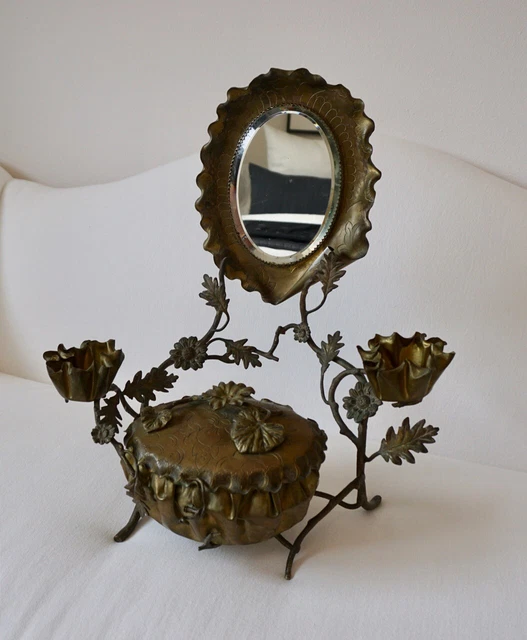
Antique Mirror
1720–1900 · $300–$8,000
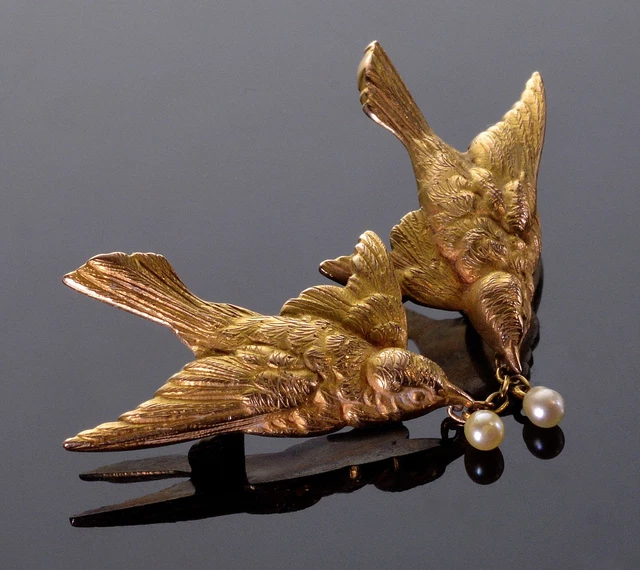
Vintage Brooch
1800–1960 · $20–$5,000
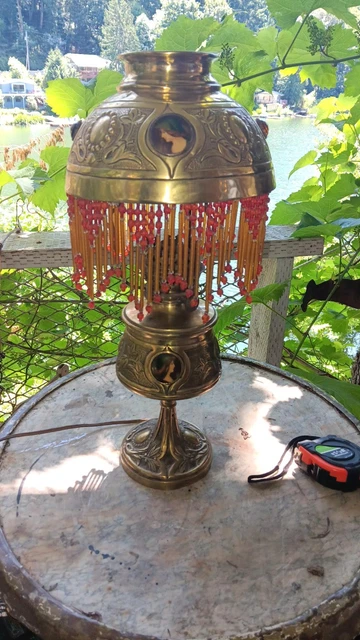
Vintage Lamp
1880–1960 · around $47
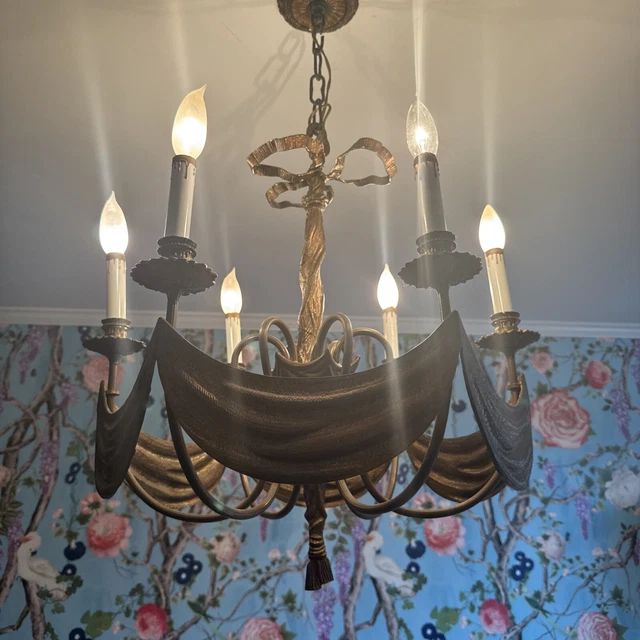
Antique Chandelier
1780–1930 · $500–$12,000
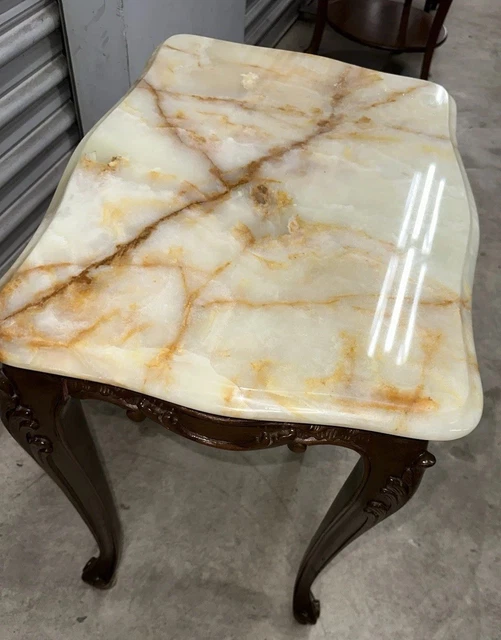
Vintage Coffee Table
1920–1970 · $200–$4,000
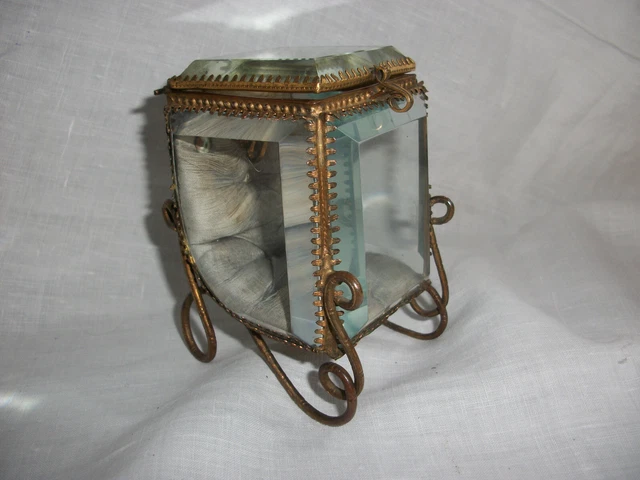
Antique Pocket Watch
1750–1950 · $80–$5,000
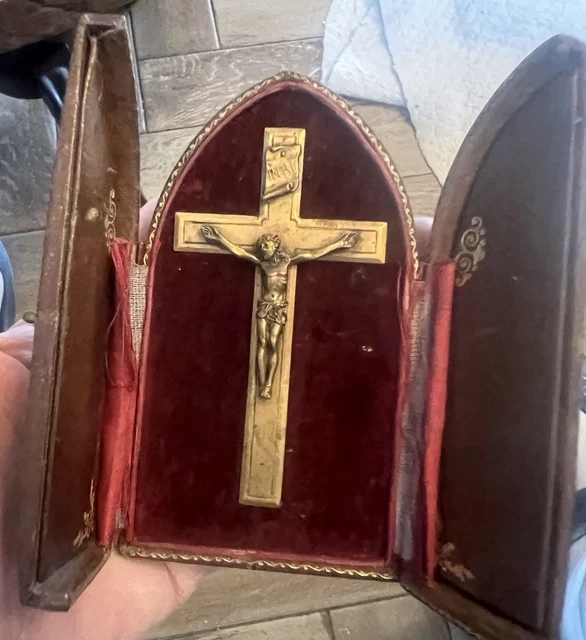
Antique Crucifix
1700–1950 · $30–$1,500
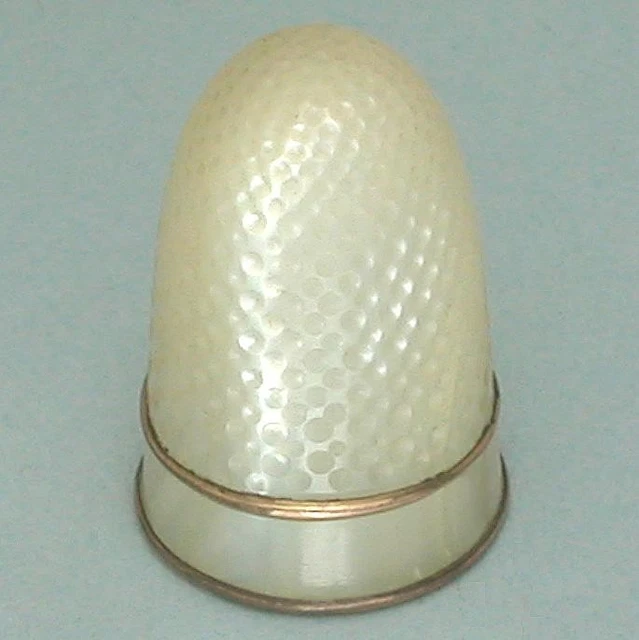
Antique Thimble
1800–1950 · $5–$300
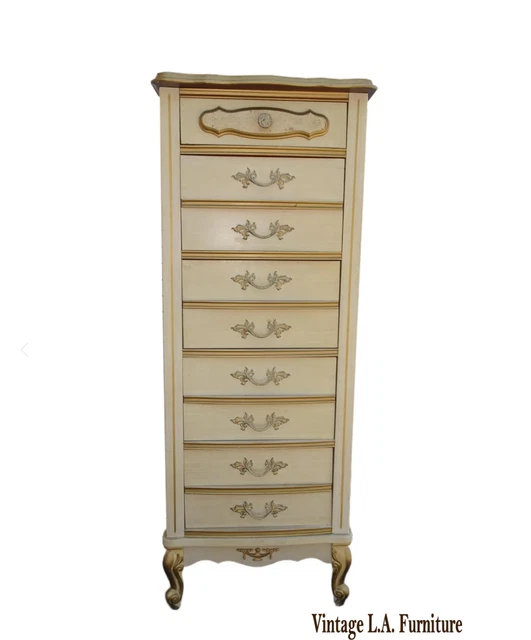
Vintage Dresser
1720–1930 · $300–$6,000
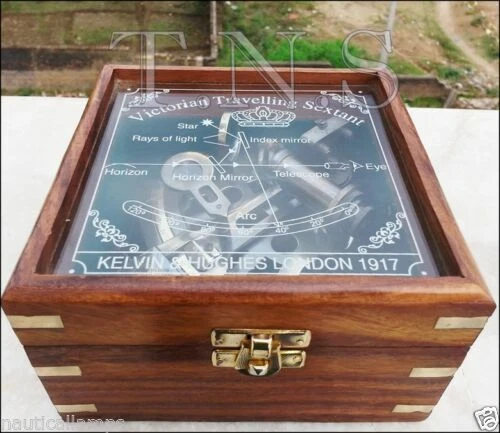
Vintage Sextant
1760–1960 · $200–$3,000
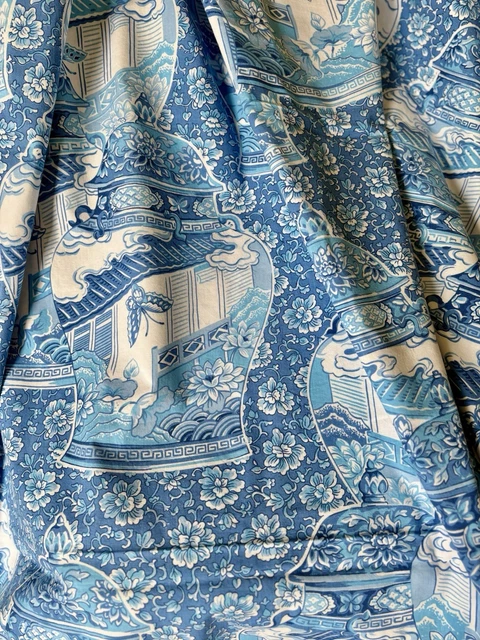
Vintage Chinoiserie
1720–1930 · $50–$3,000
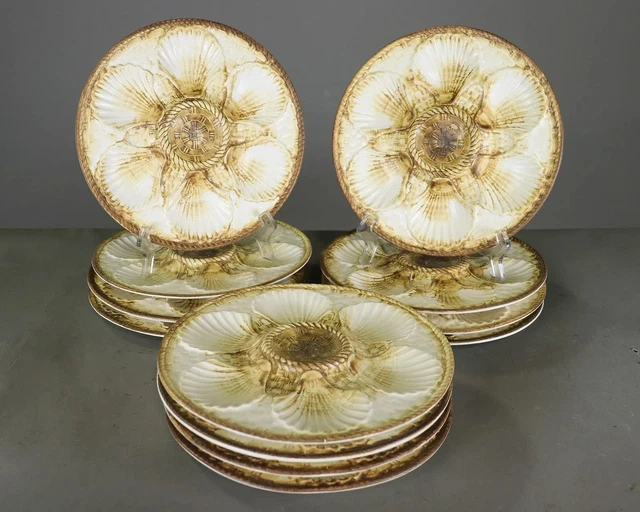
Antique French Plates
1700–1960 · $15–$400
From the research notes
- Guéridons as candlestands: a furniture name with changing uses
The word guéridon can lead a reader towards a small table, yet historical examples also served as tall supports for lighting.
- Reused Santa ornament moulds: why a familiar shape may span decades
A recognisable moulded ornament can remain in production beyond the period suggested by its appearance.
- The psyché mirror in Morisot’s painting: a tilting dressing mirror in context
A painting can show how a mirror participated in a room, even when it cannot reveal the mirror’s hidden construction.
- Upholstery à châssis: removable pads in an eighteenth-century French chair
A chair’s upholstered components need not be permanently fixed to its main frame.
- Beneath brown paint: the documented gilding of a Montargis trumeau
A trumeau’s visible paint can belong to a later phase than its carved structure.
- Kitchen inventories and mould collections: reading the scale of baking equipment
An individual copper mould reveals a shape; a household inventory can reveal the scale of the kitchen around it.
- The absinthe spoon as an actual object inside Picasso’s sculpture
A small piece of bar cutlery became part of an important sculptural experiment in 1914.
- Botanical illustration and photography: why a drawing can show more than one moment
A botanical plate can combine information that would not appear together in a single photograph.
- Fringed linen napkins: edge treatment, pattern and the surviving set
A napkin’s edge is part of its construction and appearance. Documented fringed examples show why a description limited to white linen can leave out a defining feature.
- Pokerwork breadboards: burnt-line decoration and a removable cutting disc
A decorated breadboard can combine an ornamental surround with a separate working surface.
- Stoneware demijohns from Australia: a narrow-necked form beyond glass
A search for a glass demijohn can also encounter ceramic vessels catalogued under the same object name.
- An olive jar beside a ship’s deck: interpreting archaeological context
The place where a jar is recovered can suggest its role, but an archaeological interpretation may remain qualified.