Lighting & Mirrors · collecting guide
Antique Mirrors
An antique mirror combines a reflective plate, a frame and a backing. Each part can have a different history. This section explores frame construction, surface decoration and the evidence needed to distinguish an old mirror from a later reproduction.
What to examine first
- Photograph the frame corners, crest and back before considering an attribution.
- Record the condition of the mirror plate separately from the condition of the frame.
- Ask whether glass, backing boards or hanging fittings have been replaced.
Names you may encounter
gilt mirror, wall mirror, pier mirror, looking glass.
These terms help describe an object. They are starting points for research, not a certificate of age, origin or authenticity.
Related subjects
Research notes in this guide
- The psyché mirror in Morisot’s painting: a tilting dressing mirror in context
A painting can show how a mirror participated in a room, even when it cannot reveal the mirror’s hidden construction.
- Venetian mirrors with engraved panels: reading a composite surface
An antique mirror can combine a view of the room with images engraved into its glass.
- A pocket-sized mirror in tortoiseshell and silver
Not every elaborate old mirror was designed to furnish a wall. Dimensions can change our understanding of an object before we interpret its ornament.
- Parcel-gilt silver mirrors: two surface colours in one metal frame
A gold-coloured passage on an antique mirror is not necessarily brass. The material description of a small French mirror distinguishes silver from its selective gilding.
- Leather and the small antique mirror: an accessory beyond giltwood
Leather belongs in the history of mirrors alongside carved wood and metal.
- Reverse-painted mirrors and the journey between Europe and Canton
A mirror can be both a reflective furnishing and a painted image.
- Champlevé enamel mirrors: colour held within a metal frame
An enamelled mirror can belong to the history of metalwork as much as furniture.
- The Claude glass: a mirror used to study a view
Not every historic mirror was intended for dressing or room decoration. The Claude glass belongs to a history of looking at landscape through a dark reflective surface.
- Boulle-work mirrors and the long life of a fashionable object
An antique mirror can remain fashionable long after its first owner or the reign associated with its style.
- A mirror on a dresser: designer, manufacturer and footprint
An antique mirror and dresser can work as a present-day pairing without sharing a maker or an original commission.
- Convex mirrors and girandoles: why candle arms matter
An antique convex mirror has an outward-curving reflective surface.
- Antique mirrors: what the frame and glass can tell you
An antique mirror is a composite object: its frame, reflective plate, backing and fittings may have been made or altered at different times.
Encyclopedia entries: identification & prices
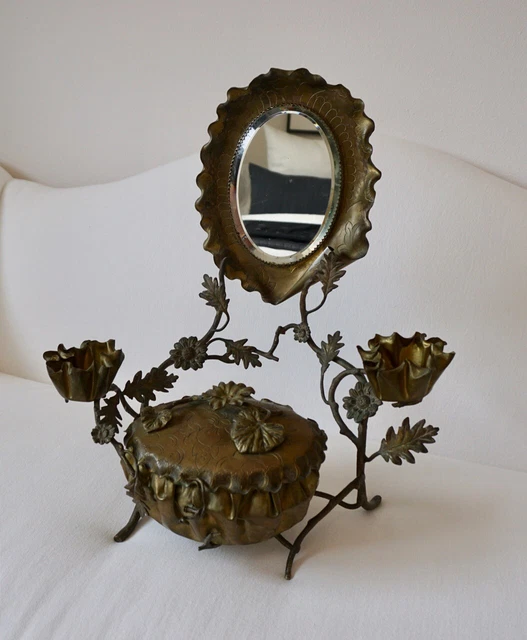
Antique Mirror
1720–1900 · $300–$8,000
Antique Vanity Mirror
1880–1950 · $80–$900
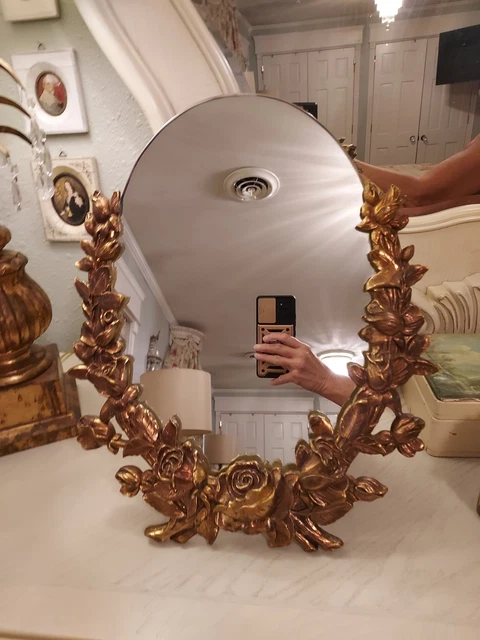
Antique Dresser Mirror
1830–1940 · asks around $100
Vintage Wall Mirror
1750–1940 · asks around $205
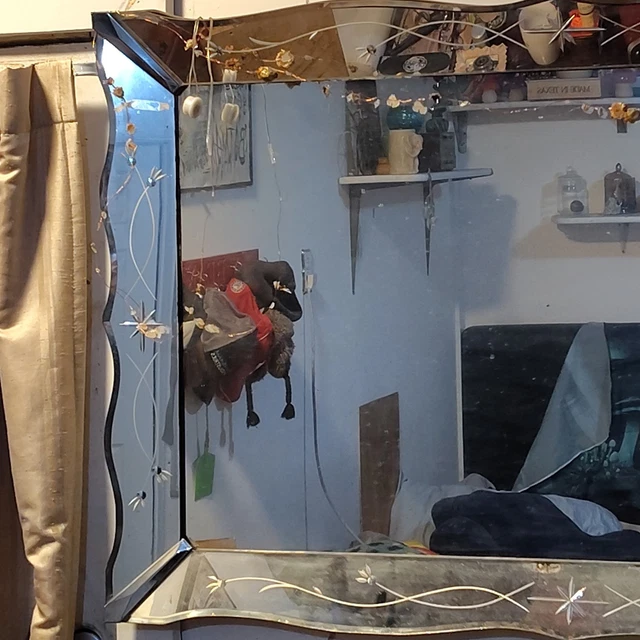
Antique Venetian Mirror
1700–1960 · $400–$8,000
Vintage Bathroom Mirror
1880–1960 · asks around $164
Full-Length Mirror
1800–1940 · asks around $110
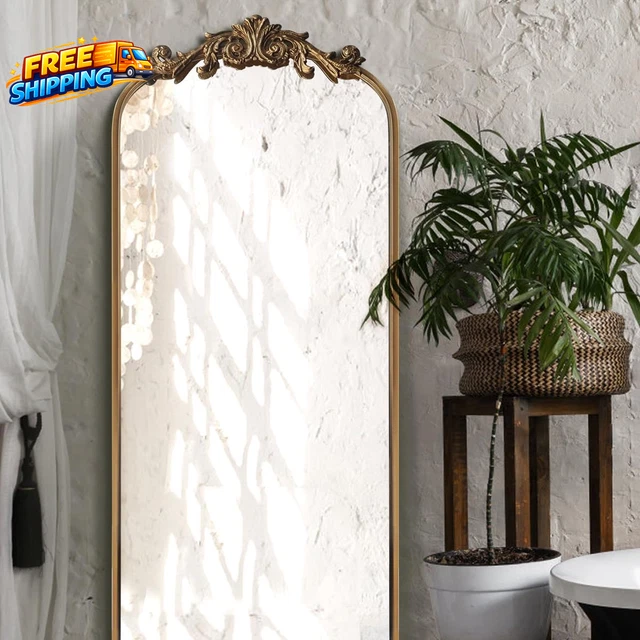
Vintage Floor Mirror
1850–1930 · $400–$5,000
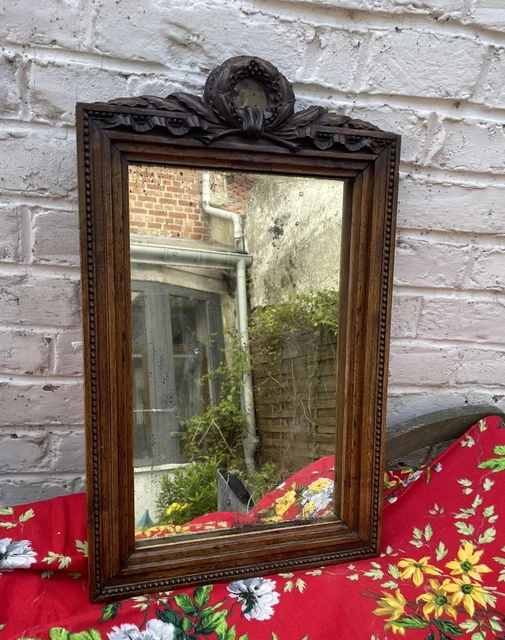
Antique Mirror Frame
1720–1930 · asks around $215
Antique Mirror Tile
1930–1980 · asks around $125
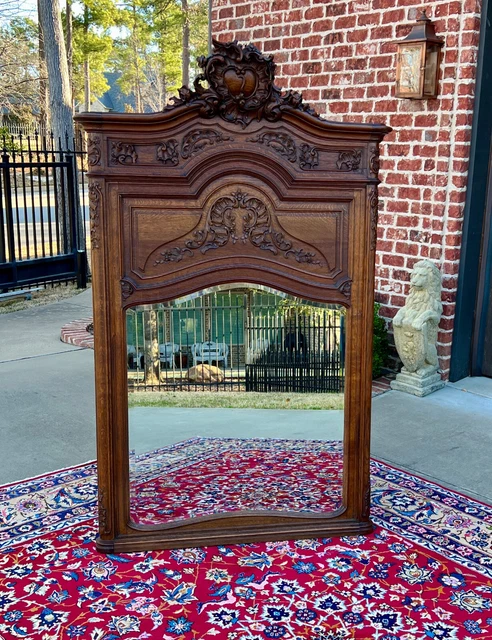
Antique Mantel Mirror
1750–1900 · $800–$10,000
Mirror Wall
1920–1980 · asks around $200
All entries in Mirrors & Trumeaux.