Decorating styles
Châteaucore: understanding French château furniture
Châteaucore is a contemporary decorating label associated with imagined château interiors. Its meaning varies between writers and retailers. Here, the focus is on French rooms, carved furniture, mirrors and the relationship between a single object and its architectural setting. A château-inspired appearance does not establish château provenance.
A flexible label, not a period name
French Bedroom’s account of Châteaucore combines estate-inspired refinement with country-house informality. That is a current design interpretation rather than a museum classification. The spelling French chateau furniture in a listing may describe the look, a claimed place of use, or simply a commercial collection. Ask which meaning is intended before drawing historical conclusions.
Read the room as well as the furniture
A tall mirror may have been conceived in relation to a wall panel, fireplace or console. Furniture can look very different when removed from that setting. Begin with proportion: the height of a mirror, the width of a table, the depth of a chair and the space around each. A decorative crest should be assessed as part of a frame, not as an isolated sign of grandeur.
Period, revival and provenance
A Louis-style chair can be a later interpretation. A piece described as from a château needs an ownership history or other supporting documentation if that origin matters to you. Style, manufacture date and place of use are separate fields in an object record. None should be filled in automatically from the others.
Use the reference without copying the palace
Museum rooms offer detailed comparisons, including evidence of restoration and replacement. They do not provide a shopping checklist for an ordinary home. Our companion article takes one useful idea—the relationship between mirror, table and chair—and adapts it as a measured composition. Its layout is a modern editorial proposal, clearly separated from the historical reference.
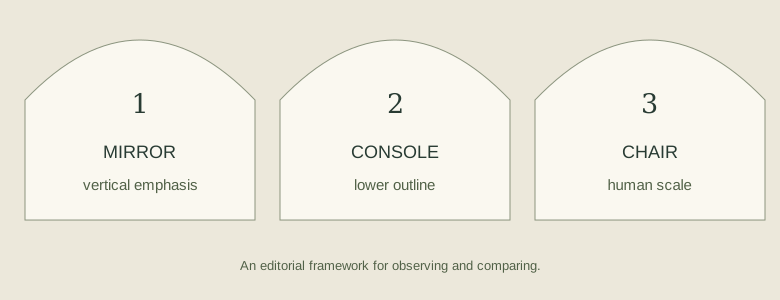
| Focus | What to examine | Useful distinction |
|---|---|---|
| Mirror | Full frame and reflection | Mounting and glass history |
| Console | Top, apron and depth | Wall support and repairs |
| Chair | Seat and arm clearance | Frame condition and upholstery history |
Look closer at the objects
Compare decorating styles
Sources and scope
- French Bedroom: a retailer’s contemporary use of Châteaucore
- Château de Versailles: the Dauphin and Dauphine’s apartments
Sources checked 16 October 2026. Historical references support the named examples; the room layouts and observation exercises are our editorial proposals. A style comparison does not authenticate an individual object.
The Châteaucore look in objects
1830–1930 château & bourgeois salons
Châteaucore bottles the French château salon: gilt frames over the fireplace, a trumeau mirror catching candlelight, velvet against pale stone. It is romance in small compositions — the mood comes from grouping, not from owning a château.
One mantel of family objects, a tapestry fragment and a single gilt-framed painting carry the style. The Châteaucore project breaks it into 18 moods by room, from the candlelit table to the orangery corner.
Palette
- Gilt gold
- Velvet red
- Stone grey
- Empire green
Get the look
- One gilt element per wall is enough — a frame, a barometer or a candle sconce.
- Hunt unsigned portrait and landscape oils: period frames often outvalue the canvas.
- Pair heavy stone or iron with something reflective — opaline, mirror glass, crystal.
Signature pieces
Encyclopedia entries that carry the codes of the style, with identification points and market prices.
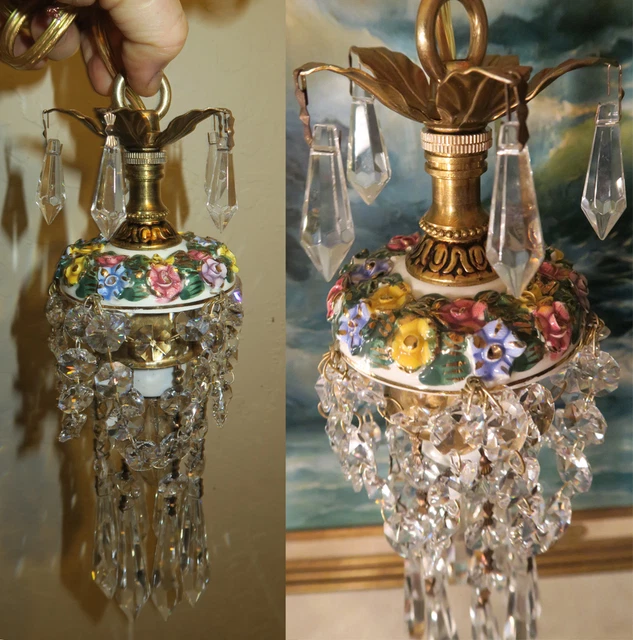
Vintage Tole Chandelier
1940–1975 (Italian); 1750–1900 (French)
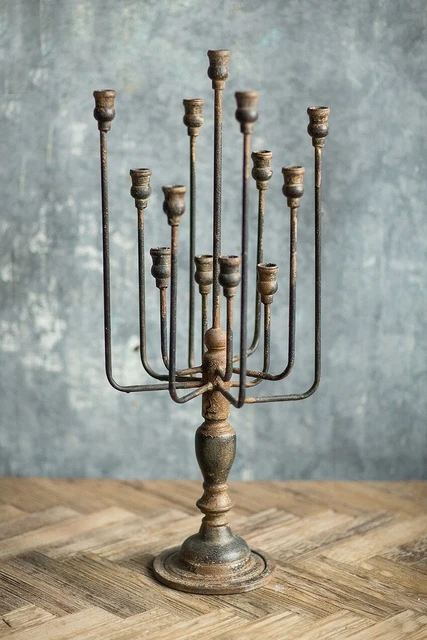
Vintage Candelabra
1780–1920 · $100–$3,000
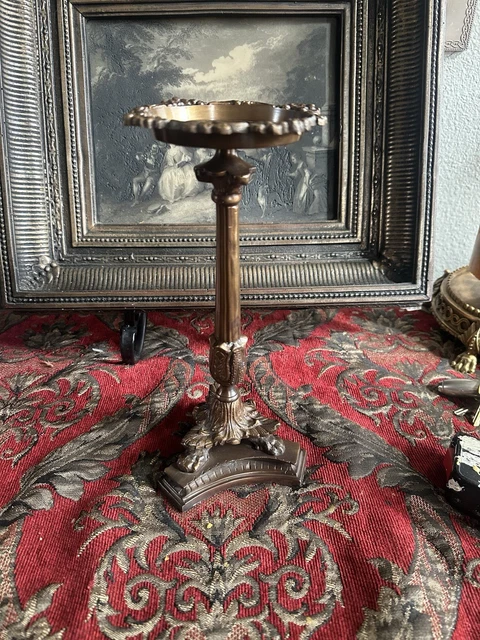
Antique Candlestick
1650–1920 · $30–$800
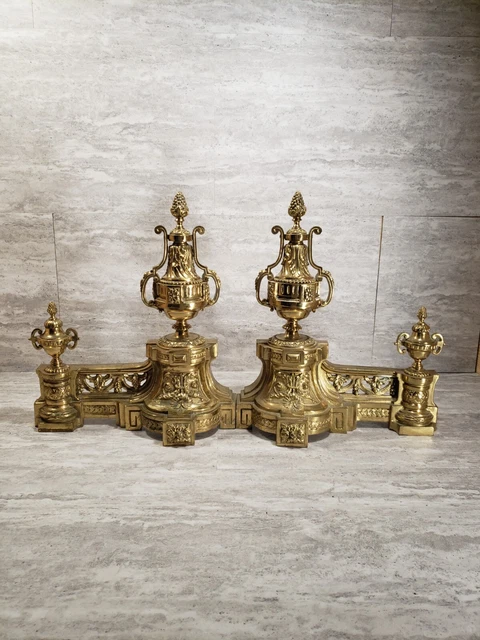
Antique Andiron
1500–1900 · $100–$2,500
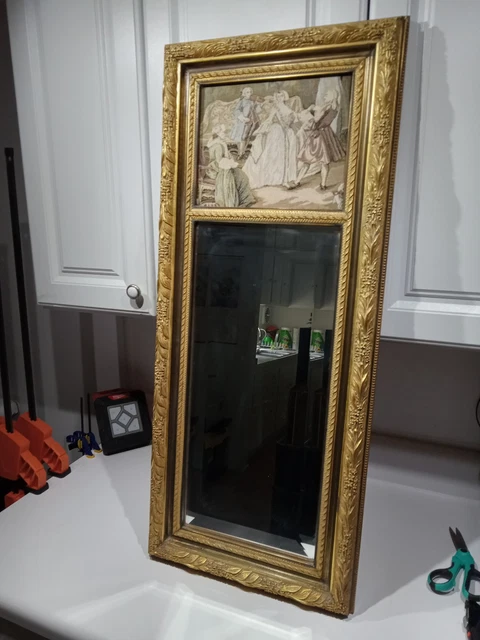
Antique Trumeau Mirror
1750–1900 · around $1,375
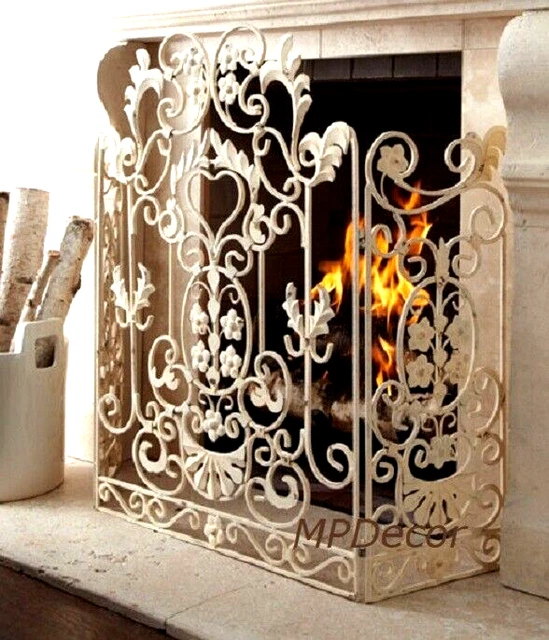
Antique Fireplace Screen
1850–1940 · $80–$1,500
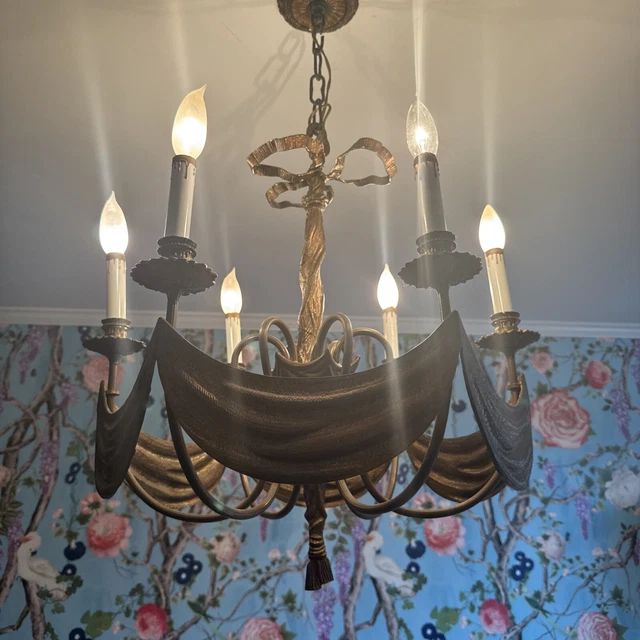
Antique Chandelier
1780–1930 · $500–$12,000
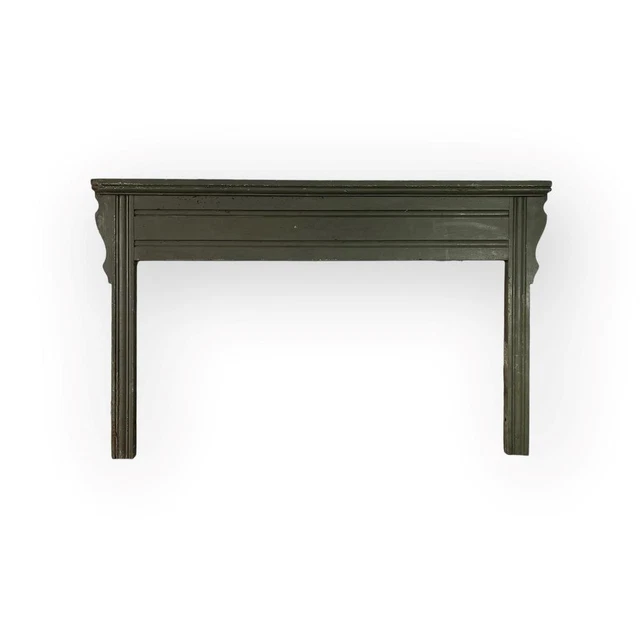
Antique Fireplace Mantel
1720–1930 · $1,500–$25,000
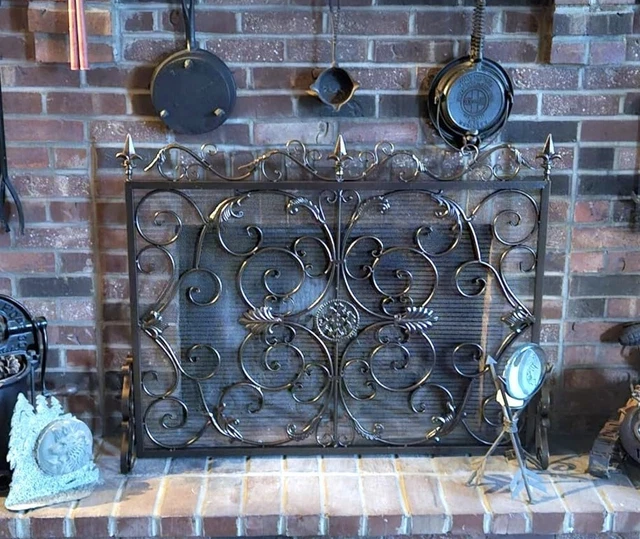
Wrought Iron Fireplace Screen
1850–1950 · around $858
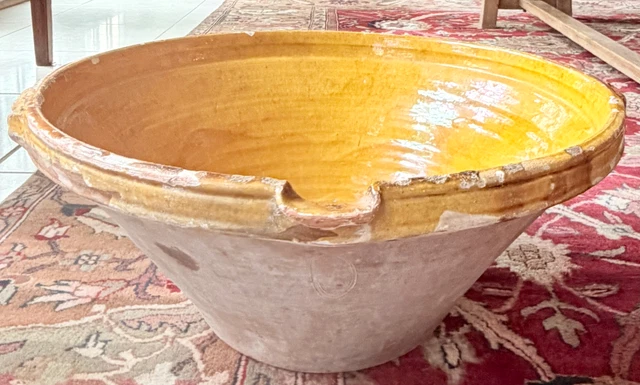
Vintage Pottery Vase
1880–1975 · asks around $162
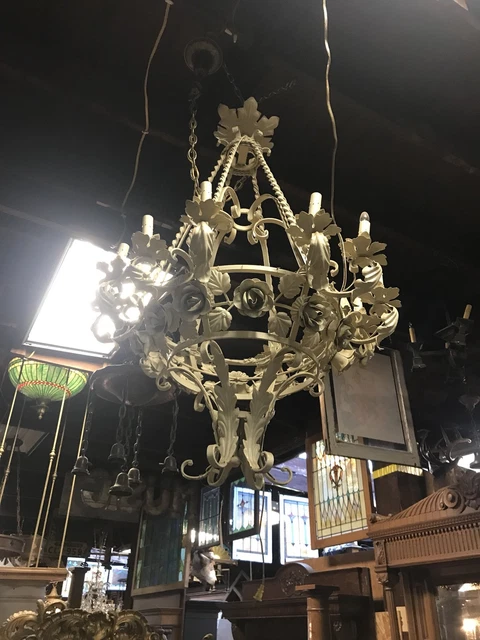
Antique Cottage Chandelier
1880–1970 · asks around $659
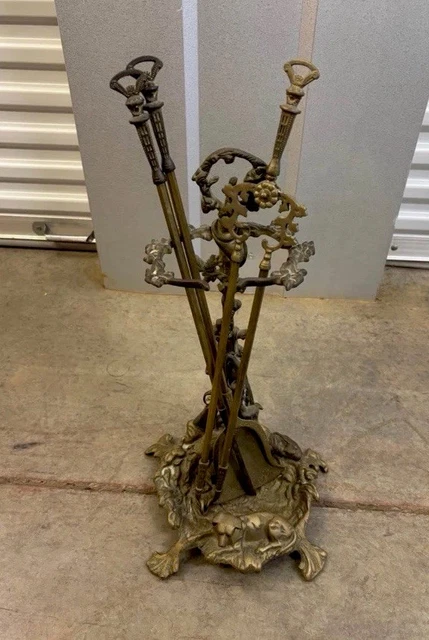
Antique Fireplace Tool
1750–1950 · asks around $295
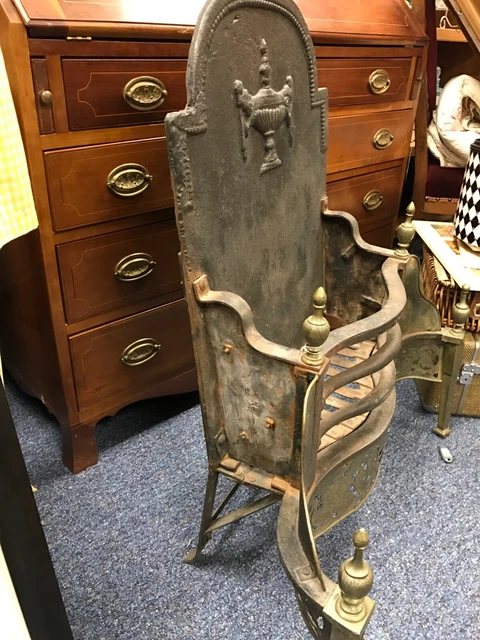
Cast Iron Fireplace Insert
1500–1910 · asks around $250
French Fireplace
1700–1900 · asks around $394
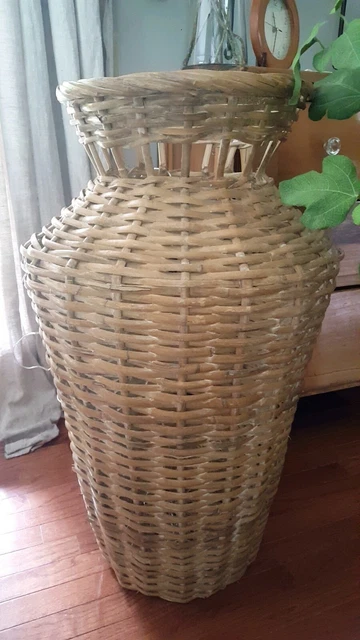
Vintage Floor Vase
1700–1940
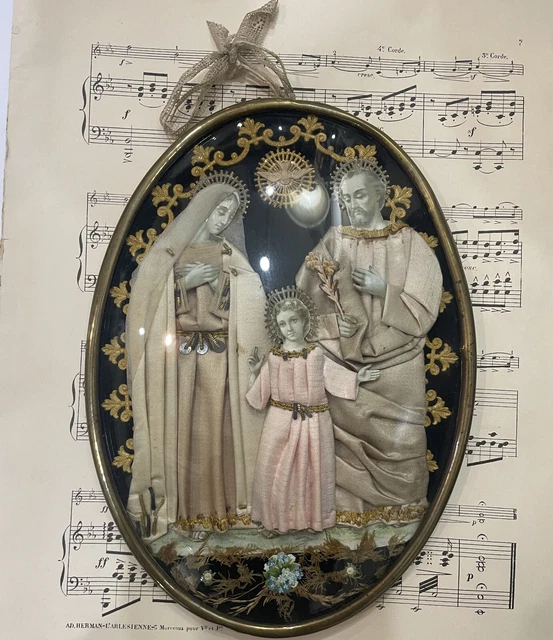
Antique Reliquary
1820–1920 · asks around $260
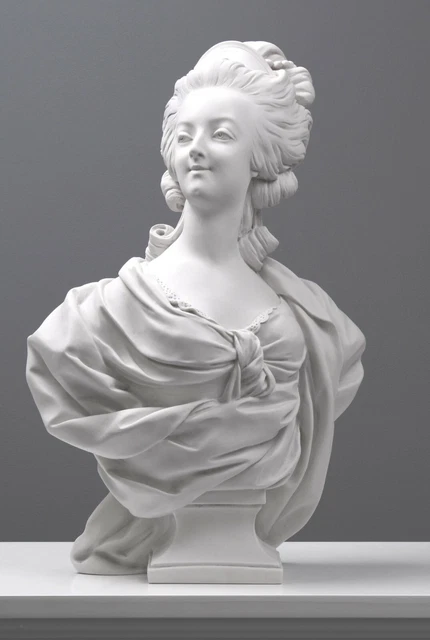
Vintage Bust
1750–1940 · $150–$5,000
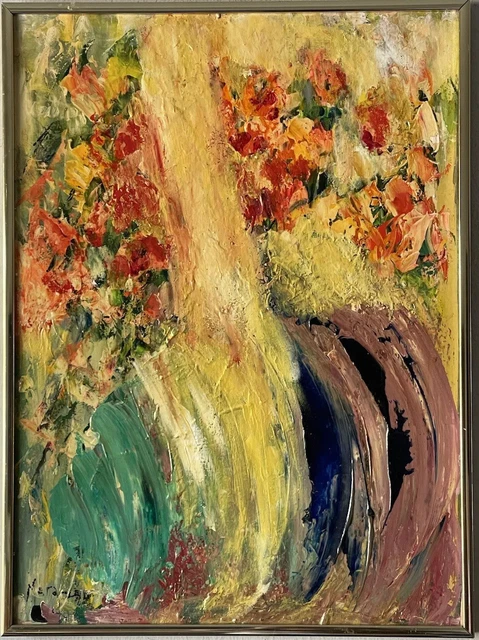
Vintage Abstract Painting
1920–1980 · asks around $1,080
A closer study
- French chateau furniture: arranging a mirror, console and chair
A mirror, a console and a chair can suggest a château interior without filling the room with ornament.