The encyclopedia
Antique Textiles & Linens
Monogrammed sheets, toile de Jouy, tapestries and rugs: fibres, weaves, repairs and the care that old cloth needs, with guidance on what is worth paying for.
48 encyclopedia entries and 11 sourced research notes, organised by family. Start with a family, then open an entry for its history, identification points, authenticity checks and market prices.
Families
Rugs & Carpets
Aubusson, Savonnerie and Persian rugs, runners and kitchen rugs: knots, dyes, wear and sizes.
13 entries
Home Linens
Monogrammed sheets, métis and hemp, quilts, napkins, curtains and cushions.
24 entries
Antique Fabrics
Toile de Jouy, indiennes, ticking and upholstery fabrics by the metre.
7 entries
Tapestry & Needlework
Aubusson tapestry, verdures, wall hangings and needlepoint: wool, silk, repairs and linings.
4 entries
Collecting guides & research notes
Most consulted entries
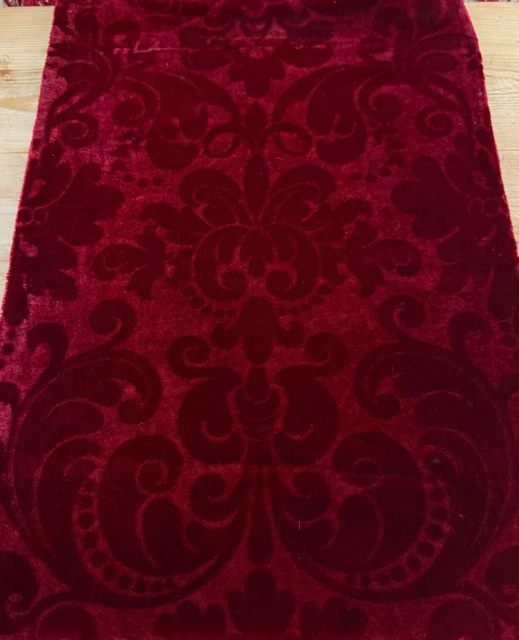
Vintage Fabric
1760–1950 · asks around $69
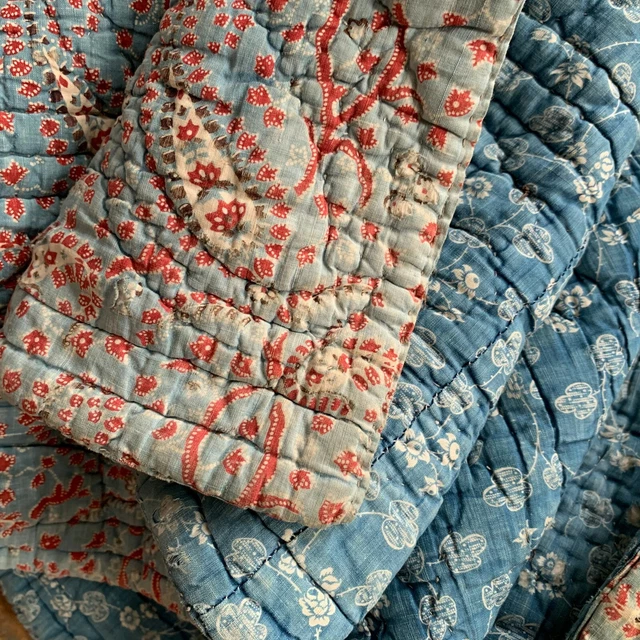
Vintage Quilt
1700–1900 · $80–$2,000
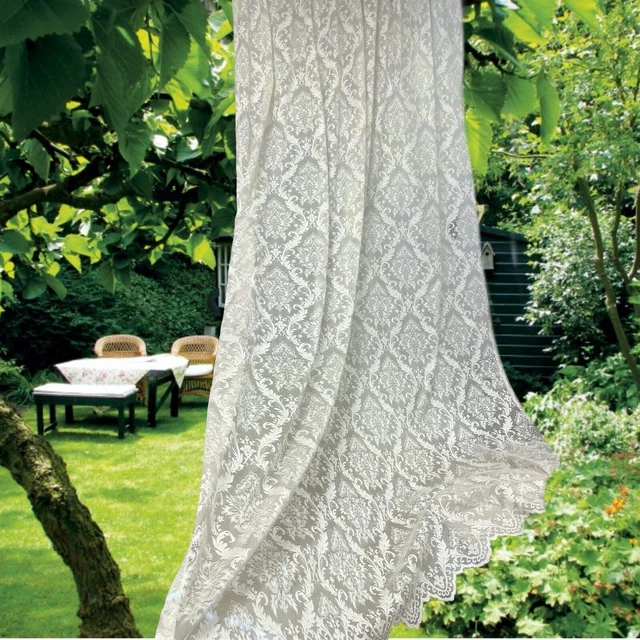
Vintage Curtain
1850–1960 · around $704
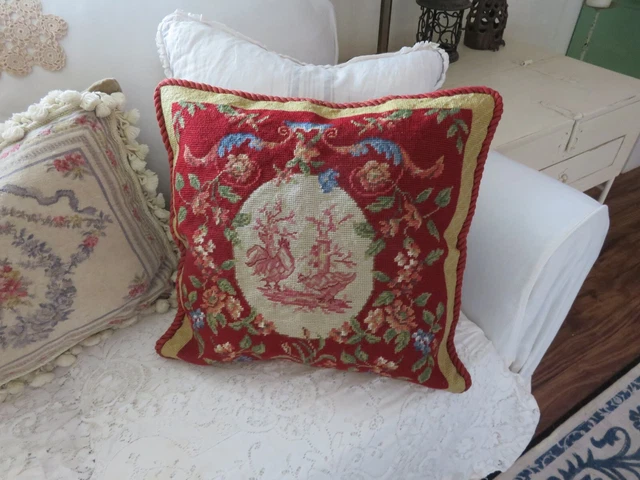
Vintage Pillow
1850–1960 (fabrics) · $30–$400
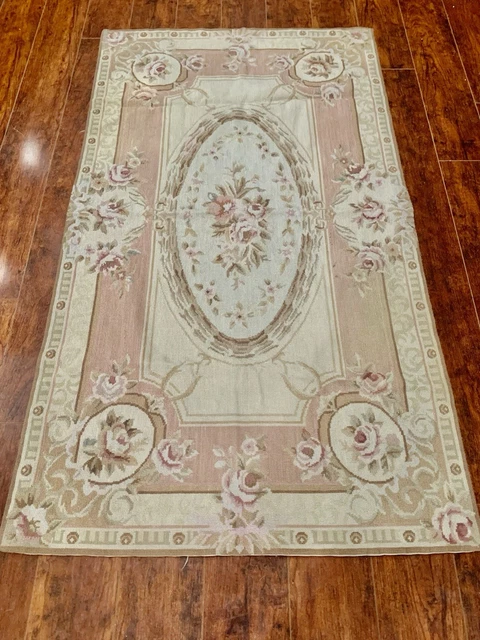
Vintage Area Rug
1700–1950 · $150–$6,000
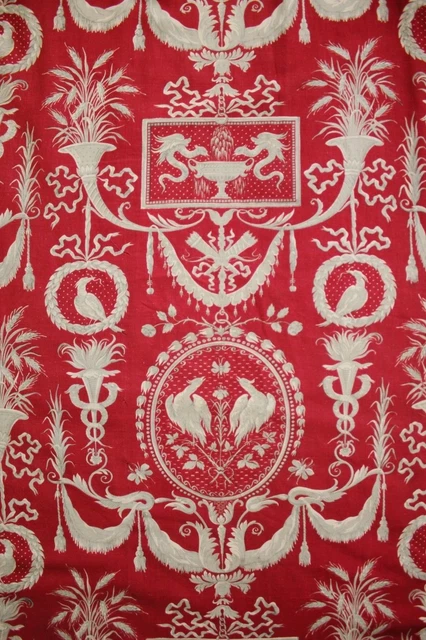
Antique Toile Fabric
1760–1950 · $20–$200
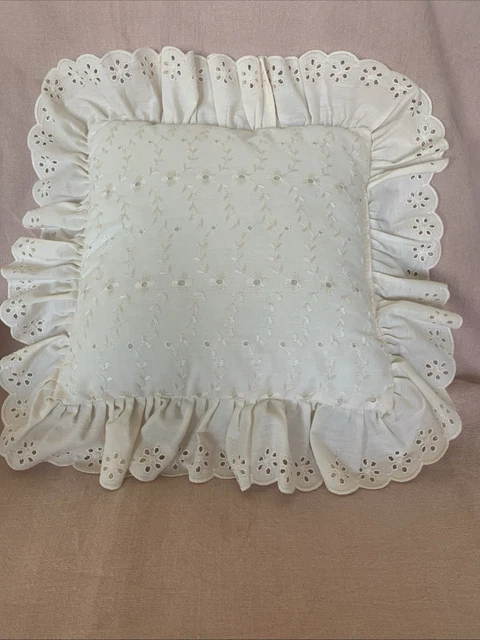
Vintage Throw Pillow
1800–1960 (fabric) · asks around $35
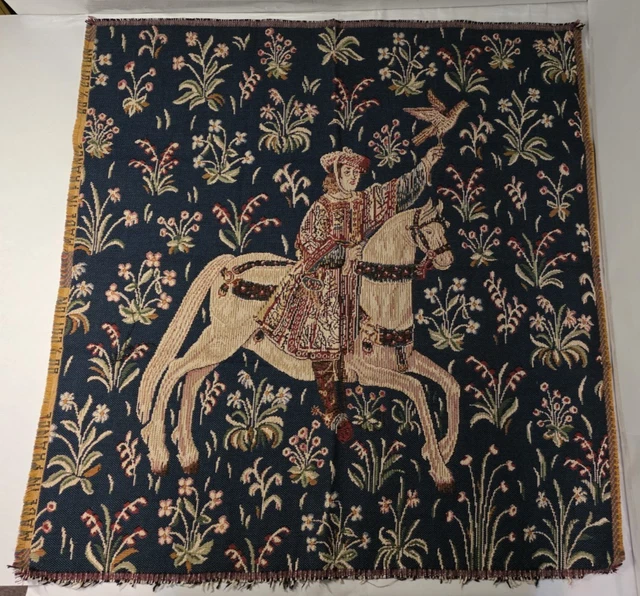
Vintage Tapestry
1600–1900 · $150–$10,000
Antique Rug Beater
1850–1960 · asks around $35
Vintage Upholstery Fabric
1750–1970 · asks around $135
Vintage Persian Rug
1850–1980 · asks around $1,294
Vintage Kitchen Rug
1900–1980 · asks around $275
Latest research notes
- Fringed linen napkins: edge treatment, pattern and the surviving set
A napkin’s edge is part of its construction and appearance. Documented fringed examples show why a description limited to white linen can leave out a defining feature.
- A historic damask pattern reinterpreted in 2016
A textile can draw on an old design while being a recent manufacture. Pattern history and the date of a particular cloth need separate entries.
- White monograms and red stitched numbers on damask napkins
A single linen napkin may carry more than one kind of identifying mark. Distinguishing their colours and techniques makes a textile record more useful.
- From pattern drawing to Jacquard cards: the working record behind damask linen
A damask napkin is the finished textile, but its production can also leave drawings, cards and sample books. Together they document different stages of a woven design.
- Antique linen napkins on display: managing light as well as folds
A linen napkin displayed for its monogram or border is also a textile exposed to light. Planning when it is shown matters alongside choosing how it is arranged.
- Silk on linen: embroidered napkins with more than one fibre
The word linen can identify a textile’s ground without describing every thread on it.