Decorating styles
Castlecore decor: medieval imagery and later revivals
Castlecore describes a contemporary fascination with castle imagery and medieval atmosphere. It can use pointed forms, substantial furniture and dramatic contrasts, but the result is a modern interpretation. The key distinction for collectors is between medieval objects, later Gothic Revival design and newly made decoration.
A current term with historical references
Pinterest included Castlecore in its forecast for 2025, published in December 2024, connecting it with medieval and Gothic-inspired imagery. That dated forecast documents the platform’s use of the name; it is not evidence that the trend is still growing today. Nor does it define a single historically accurate interior.
Separate the layers of reference
A medieval object, a nineteenth-century revival piece and a contemporary castle-inspired object can share an arch or carved motif. They belong to different contexts. The V&A identifies Augustus Pugin as a Gothic revivalist whose work looked to medieval precedents. That makes revival an important historical subject in its own right, rather than a category to confuse with the Middle Ages.
Choose one feature to investigate
An arch, a hinge, a carved panel or a candlestick base can become the starting point for a small study. Describe the material and construction before interpreting the motif. Dark wood is not a date, and a heavy appearance does not establish structural strength. This approach keeps the imaginative side of castlecore connected to observable objects.
Distinguish Castlecore and Châteaucore
The terms overlap in contemporary usage and are not controlled classifications. In this guide, Castlecore concentrates on medieval imagery and revival, while Châteaucore explores French room composition and château-associated furniture. The distinction is an editorial way to organise useful reading, not a claim that everyone uses the words identically.

| Focus | What to examine | Useful distinction |
|---|---|---|
| Medieval | Historical object and context | Require supported dating |
| Gothic Revival | Later engagement with earlier forms | Research maker and period |
| Contemporary Castlecore | Present-day aesthetic choice | Describe reproduction honestly |
Look closer at the objects
Compare decorating styles
Sources and scope
- Pinterest Newsroom: Castlecore in the 2025 forecast, published 5 December 2024
- Victoria and Albert Museum: Arts and Crafts, including Pugin and medieval models
Sources checked 16 October 2026. Historical references support the named examples; the room layouts and observation exercises are our editorial proposals. A style comparison does not authenticate an individual object.
The Castlecore look in objects
the medievalist look · mostly 1850–1950 revival pieces
Castlecore is the romantic medievalist look — iron, stone, candle smoke and heraldry. Almost everything collectable is a 19th-century revival built for 19th-century castles, not a survival from the Middle Ages, and that is fine: the revival pieces are the market.
Think cauldrons, iron candelabra, hefty chests and strong ironwork, displayed low and dense like a keep interior.
Palette
- Iron black
- Torch amber
- Stone
- Heraldic red
Get the look
- Weight is the test: genuine wrought and cast iron feel heavy; modern reproductions are light.
- Look for forge marks and hand-riveted joints on ironwork.
- Display candle holders in odd numbers at different heights.
Signature pieces
Encyclopedia entries that carry the codes of the style, with identification points and market prices.

Antique Carriage Clock
1830–1930 · $150–$3,000
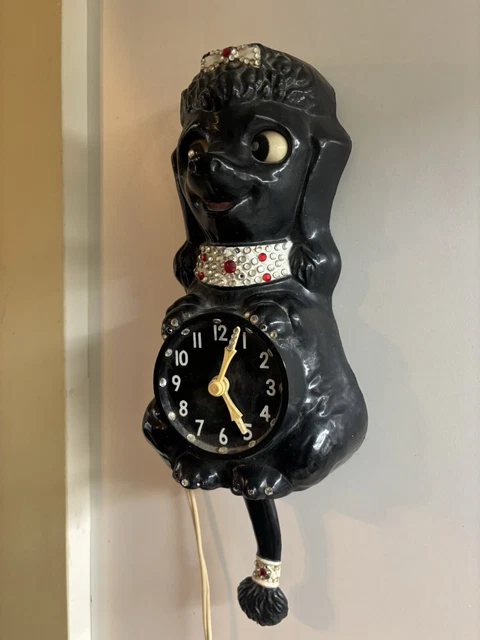
Vintage Wall Clock
1700–1950 · $50–$2,000
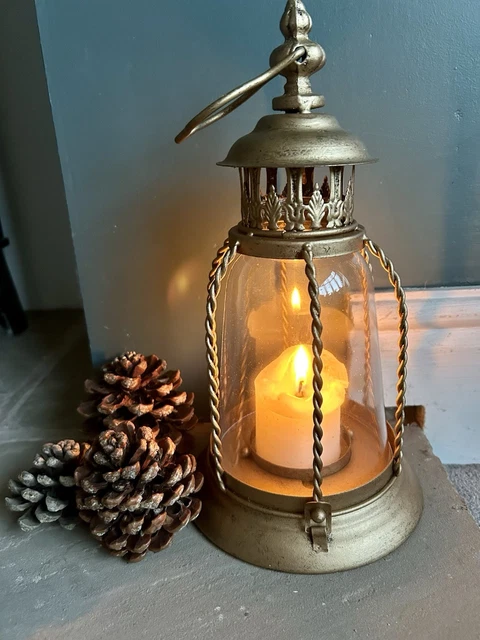
Vintage Candle Lantern
1750–1920
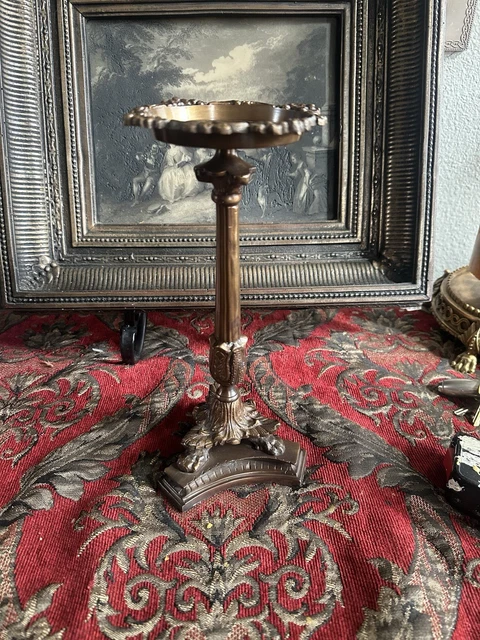
Antique Candlestick
1650–1920 · $30–$800
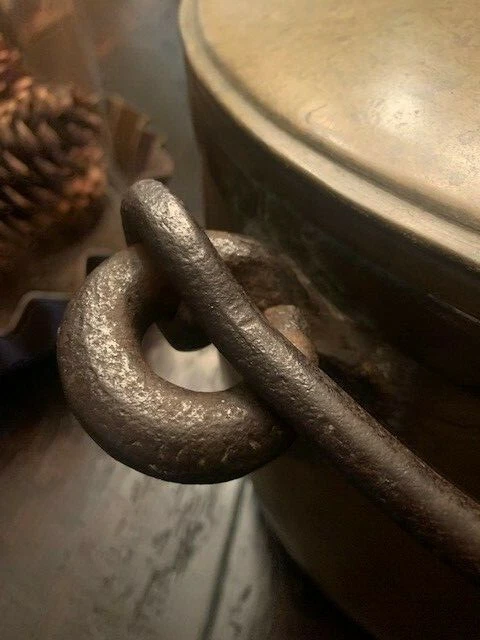
Antique Cauldron
1750–1930 · $60–$900

Vintage Whiskey Decanter
1850–1970
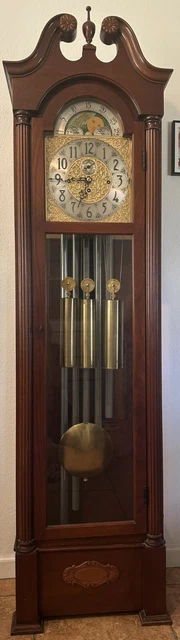
Antique Grandfather Clock
1680–1914 · $400–$10,000
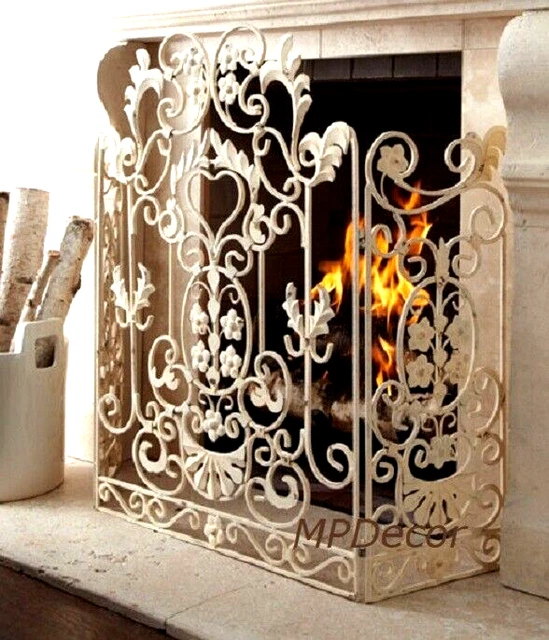
Antique Fireplace Screen
1850–1940 · $80–$1,500
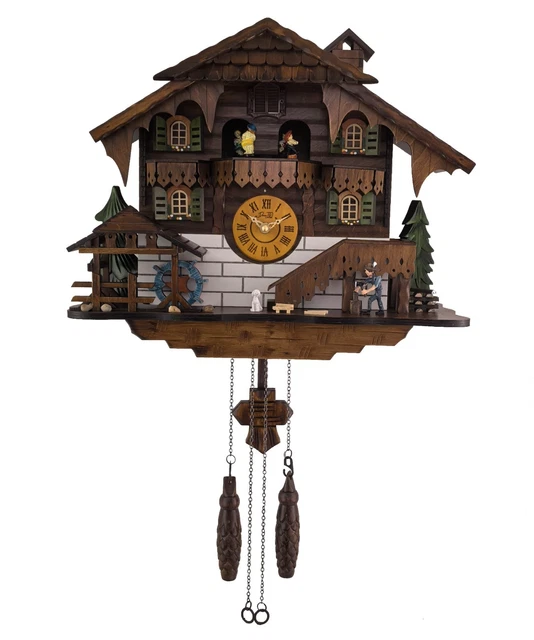
Vintage Cuckoo Clock
1850–1970 · $80–$2,000
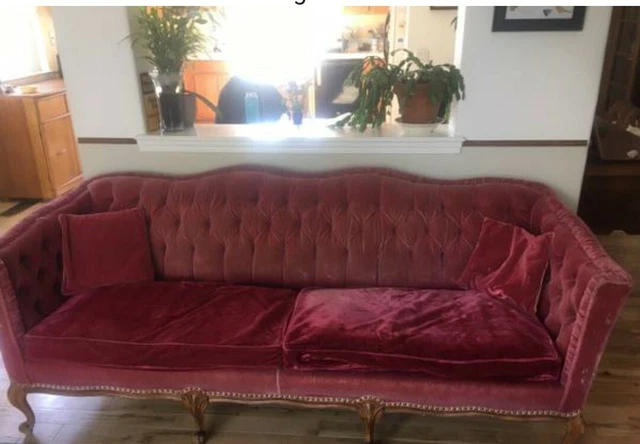
Vintage Chesterfield Sofa
1850–1975 · asks around $59
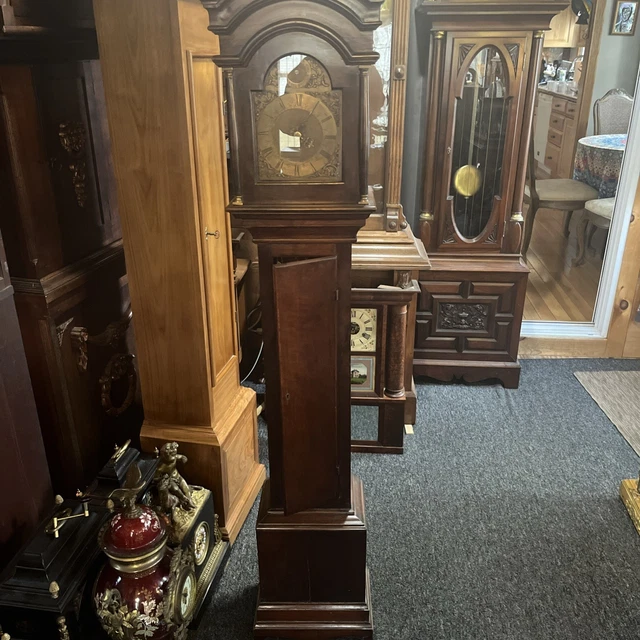
Antique Grandmother Clock
1680–1914 · asks around $38
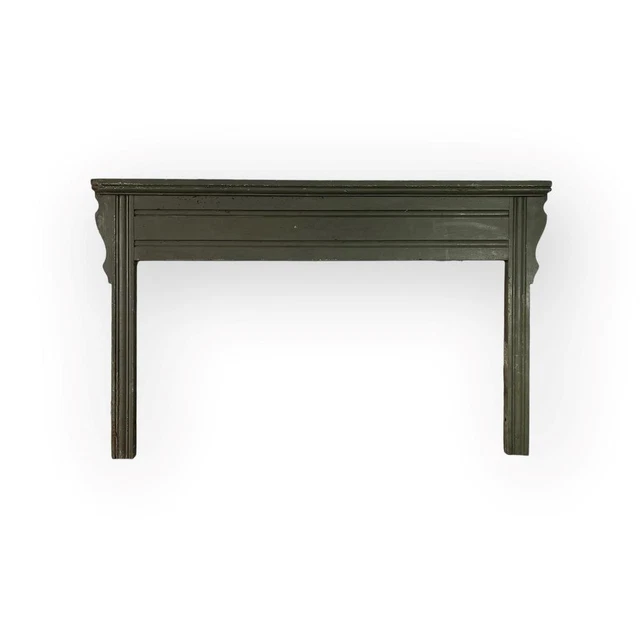
Antique Fireplace Mantel
1720–1930 · $1,500–$25,000
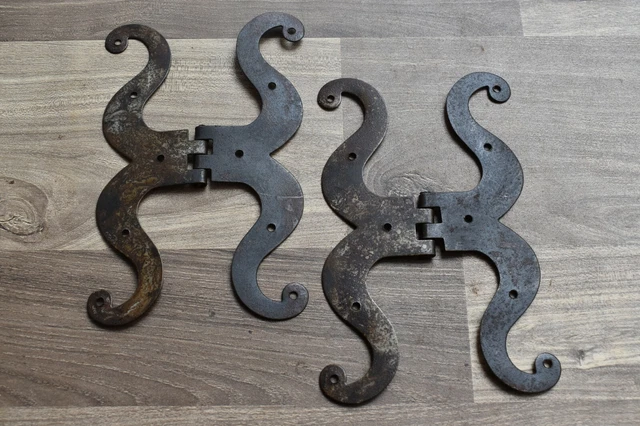
Antique Trunk
1850–1950 · $150–$3,000
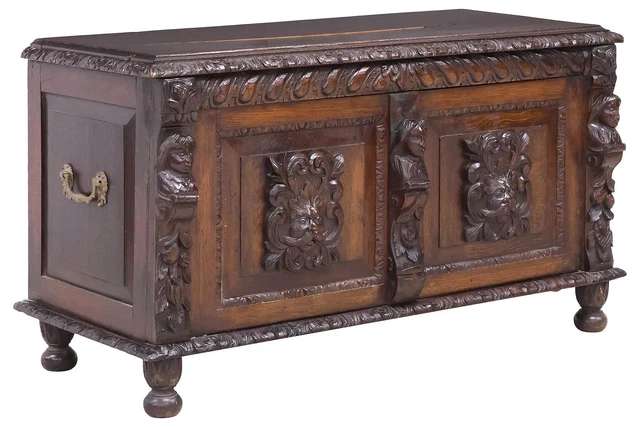
Antique Blanket Chest
1650–1900 · asks around $67
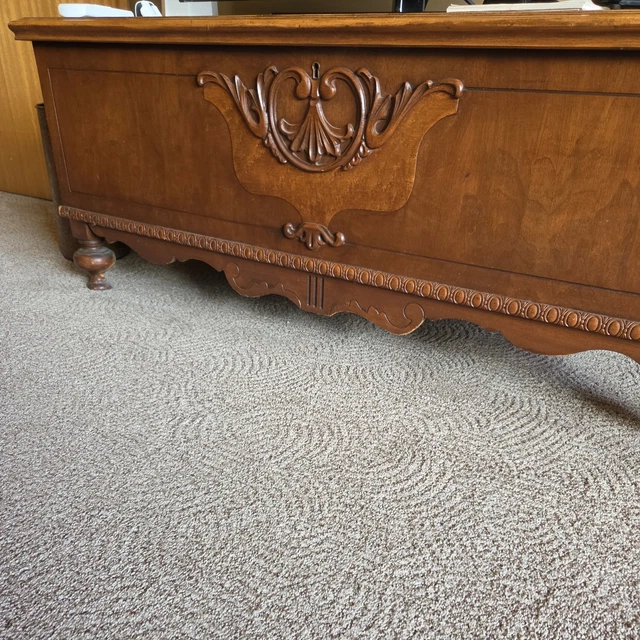
Antique Cedar Chest
1912–1970 · $100–$800
Antique Hope Chest
1700–1960 · asks around $39
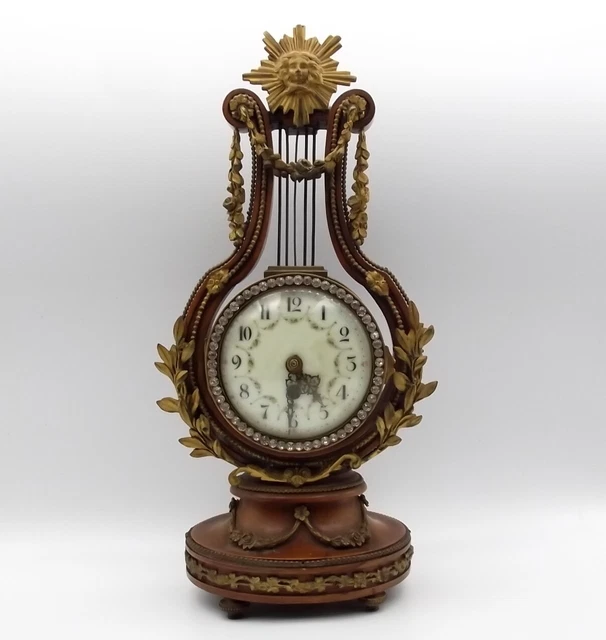
Antique Mantel Clock
1800–1930 · $100–$5,000
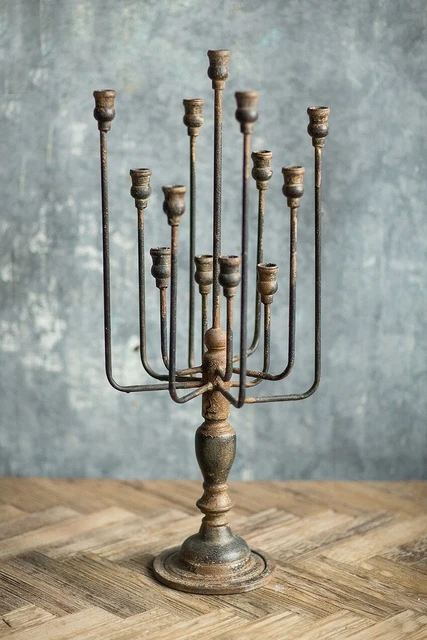
Candle Holder
1700–1930 · $15–$400
A closer study
- Castlecore decor: distinguish medieval objects from Gothic Revival
An arch carved into a cabinet door can create a castle-like impression, but it cannot date the cabinet.