Kitchen Utensils, Molds & Grinders · identification & value
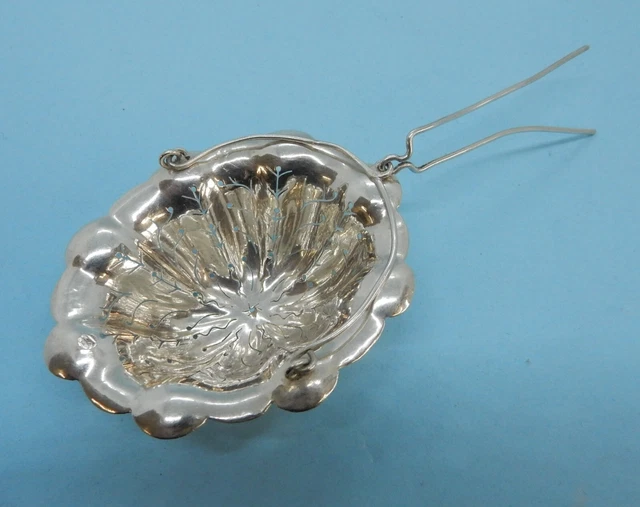
Vintage Strainer
In the kitchens of 19th-century French châteaux and grand hotels, cooks hung their copper batterie on long racks: pans, moulds, bassines and footed colanders pierced in rosettes. Every piece was tinned inside and stamped with the house name so it could be tracked. These colanders and strainers, too humble for the dining room, are now among the most decorative pieces of kitchen copper.
1820–1960
Typical asking price on live listings
about $85
Median of current eBay asking prices (via PicClick); listings run from $15 to $750. Asking prices are not sold prices.
Expert tip
Look for a stamped name on the rim or handle: 'E. Dehillerin Paris', 'Mauviel' or a French restaurant or hotel name were stamped into professional copper; then check the seams: 19th-century copper often has dovetailed (zigzag) brazed seams instead of a smooth machine joint.
History
- Villedieu-les-Poêles has been a copper town since the Middle Ages; Mauviel was founded there in 1830.
- E. Dehillerin opened in Paris in 1820 and supplied professional kitchens; Art Deco silver and silver-plated tea strainers were made by Paris silversmiths in the 1920s–30s.
Where it comes from
Villedieu-les-Poêles in Normandy, the copper town where Mauviel has worked since 1830; Paris for E. Dehillerin, the kitchen-supply shop founded in 1820; Paris silversmiths (Christofle, Ercuis, Puiforcat) for silver and silver-plated tea strainers.
Details to look at
- Piercing: rosettes, stars or rows of holes made by hand.
- Construction: dovetailed seams, riveted handles, footed base.
- Lining: tin on copper pieces, with wear showing.
The market: most wanted
- Large footed copper colanders with decorative piercing.
- Copper pieces stamped with château, hotel or Dehillerin names.
- Art Deco silver tea strainers by Christofle or Puiforcat.
Authenticity: period piece or reproduction?
- Working copper is thick (1.5–2.5 mm at the rim) and heavy for its size, with handles fixed by hand-peened rivets whose heads are slightly irregular.
- Dovetailed seams show a zigzag line of brazing across the body, visible inside through the tin.
- Hand-wiped tin lining is uneven, with drips and wear where food and spoons passed; new electroplated tin is uniform and bright.
- Warning signs: thin decorative copper (under 1 mm) sold as professional, lacquered pieces that never saw a stove, stamps that look freshly struck on worn copper, and Asian-made 'French' colanders with spot-welded feet.
Where to buy
- Normandy brocantes, Villedieu-les-Poêles shops and re-tinners, Leboncoin and Saint-Ouen for kitchen copper; silver dealers at Saint-Ouen for Art Deco tea strainers.
- In the US and UK, eBay, Etsy, specialist French copper dealers and kitchenware antique shops; a re-tinning service is worth budgeting for if you will cook with it.
Buyer's checklist
- Thickness
- Stamps
- Seams
- Tin lining
Facts
- Typical size
- Ø 20–35 cm · H 10–20 cm; tea strainers L 12–18 cm
- Weight
- 0.5–2.5 kg (copper); 30–80 g (tea strainers)
- Period
- 1820–1960
- Materials
- Copper, tin, brass, iron, silver, silver plate
- US search interest
- 270 searches a month
Collector interest
Strainer draws 270 monthly US searches, split into 3 keyword variants.
Style words in the queries: art deco (10).
The materials buyers name are copper (260).
Related in Kitchen Utensils, Molds & Grinders
- Antique Coffee Grinder
- Antique Butter Churn
- Toleware
- Vintage Enamelware
- Antique Rolling Pin
- Vintage Tins
- Antique Mortar & Pestle
- Antique Copper Molds
Go deeper: research notes
The Antique Copper Moulds: An Identification Guide gathers 11 sourced object studies, including:
- Kitchen inventories and mould collections: reading the scale of baking equipment
- Recording small solder repairs on a copper mould
- A tinned copper timbale mould from Dynevor Castle
See also: Antique Butter Moulds, Antique Bread Boards.