Clocks · identification & value
Vintage Clock
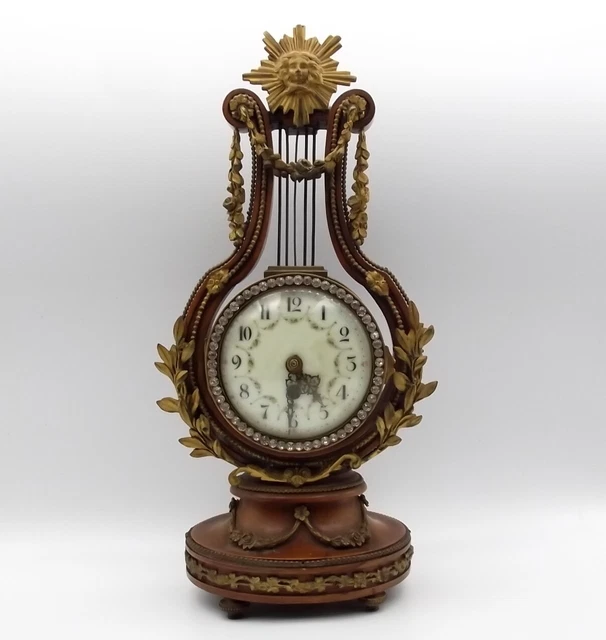
French clocks were produced in huge numbers in the 19th century for homes, stations and town halls.
1700–1950
Guide price (US$)
$80 – $400 – $5,000
low · typical · high, dealer level
Price tip: under $80 is a bargain worth checking twice; above $5,000, ask for provenance or a maker's mark.
Verified market data (US$)
$9 – $58 – $4,550
lowest · median · highest observed
eBay sold results (130point index): 200 auctions ended at a median of $58, range $9–$4550, latest 2026-03-15. Second-hand asking median (PicClick, live listings): $229 — sellers ask roughly 4× the sold median.
On eBay (via PicClick), 91 listings for “antique french clock” median asking price $229; median 6 watchers per listing.
Expert tip
Listen to the clock run: an even tick-tock means it is in beat; a limping rhythm means it needs adjustment.
History
- Comtoise, Paris mantel and carriage clocks are the main French types.
Where it comes from
Franche-Comté (Comtoise, Japy), Paris (mantel and carriage clocks) and Normandy (Saint-Nicolas-d'Aliermont).
What sets the price
Maker, movement.
Details to look at
- Movement.
- Dial.
- Case.
The market: most wanted
- Signed movements.
- Gilt-bronze clocks.
- Rare complications.
Authenticity: period piece or reproduction?
- Movement.
- Warning signs: replaced movements.
Where to buy
- French brocantes; Proantic.
- The guide range is $80–5,000.
Buyer's checklist
- Movement
- Dial
- Case
- Key
Facts
- Typical size
- Varies
- Weight
- Varies
- Period
- 1700–1950
- Materials
- Brass, gilt bronze, marble, enamel
- US search interest
- 22,920 searches a month
Collector interest
US shoppers type 22,920 searches a month about clock, spread over 389 keyword variants.
The styles people attach to it most are farmhouse (1,610), art deco (1,460), rustic (480), art nouveau (150).
Material searches favour brass (420), porcelain (110), wood (100), bronze (80).