Jewelry · identification & value
Antique Intaglio
An intaglio is a design cut into a stone, so that when it is pressed into wax it leaves a raised image: for centuries it was a seal, a signature you wore on your finger. Romans carved gods and portraits into carnelian and onyx. In the 18th century, Grand Tour travellers bought them in Rome, and James Tassie in London made glass-paste copies by the thousand.
Antiquity to 1900
Guide price (US$)
$100 – $600 – $5,000
low · typical · high, dealer level
Price tip: under $100 is a bargain worth checking twice; above $5,000, ask for provenance or a maker's mark.
On eBay (via PicClick), 65 listings for “antique french intaglio” median asking price $125; median 3 watchers per listing.
Expert tip
Look at the edges of the carving under a loupe: a carved stone shows crisp, slightly irregular cuts and is cold to the touch; a moulded glass paste has rounded edges and may show tiny bubbles.
History
- Ancient Roman and Greek carved gems were collected from the Renaissance onwards.
- 18th-century Grand Tour souvenirs and Tassie pastes made intaglios widely available.
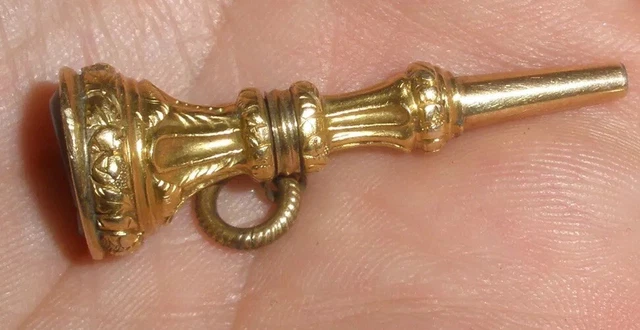
- Victorian fob seals and signet rings carried family crests and initials.
Where it comes from
No single French region: carved gems were collected in Paris, but most antique intaglios come from Rome (ancient and Grand Tour production), Italy and England, including glass-paste copies by James Tassie in London. The printmaking sense of 'intaglio' refers to etching and engraving, practised in Paris workshops.
What sets the price
Carving, stone.
Details to look at
- The stone: carnelian, onyx, banded sardonyx, garnet or coloured glass paste.
- The carving: depth, anatomy of figures, lettering, and whether it reads clearly in a wax impression.
- The mount: gold signet ring, swivel fob seal, or loose stone in a later setting.
The market: most wanted
- Ancient Roman intaglios with fine portraits or mythological subjects.
- Signed works by 18th- and early 19th-century gem engravers working in Rome and London.
- Georgian gold fob seals and signet rings with family crests in good hardstone.
Authenticity: period piece or reproduction?
- Carved stone shows wheel and drill marks in the hollows; moulded glass is smooth and rounded inside.
- Press the intaglio into soft wax or modelling clay: a fine carving gives a crisp, readable relief.
- Georgian mounts are hand-made in gold of varying tone, with soft wear on the swivel of a fob seal.
- Warning signs: resin copies, laser-cut letters, crisp new gold, and 'ancient' stones sold without provenance or a specialist's opinion.
Where to buy
- In France, Drouot sales and Paris antique jewellers for gold seals and rings; Catawiki for intaglio rings and fobs with clear photographs.
- In the US and UK, specialist antiquities dealers, 1stDibs and London jewellery auctions; eBay for Tassie pastes and Victorian seals. The guide range is $100–5,000.
Buyer's checklist
- Stone vs glass
- Mount
- Wear
- Provenance
Facts
- Typical size
- Stone 8–25 mm · seal H 2–5 cm
- Weight
- 2–20 g
- Period
- Antiquity to 1900
- Materials
- Carnelian, onyx, sardonyx, garnet, glass paste, gold
- US search interest
- 8,410 searches a month
Collector interest
US shoppers type 8,410 searches a month about intaglio, spread over 5 keyword variants.