Statues & Curiosities · identification & value
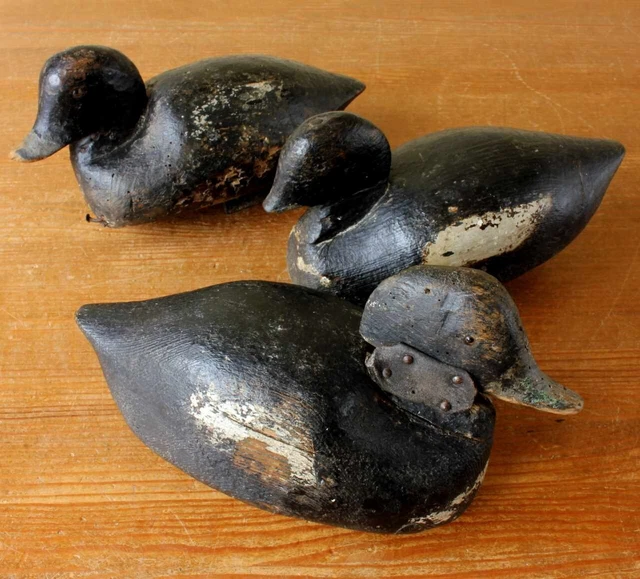
Antique Duck Decoy
On the marshes of the Baie de Somme, hunters waited through the night in sunken hides (huttes) with decoys floating in front to bring wild ducks within range. In America, decoy making grew into an art, and the best 19th and early 20th-century birds by known carvers are now valued as folk sculpture.
1850–1960
Guide price (US$)
$40 – $300 – $10,000
low · typical · high, dealer level
Price tip: under $40 is a bargain worth checking twice; above $10,000, ask for provenance or a maker's mark.
Expert tip
Look underneath for a maker's brand, initials or hunter's mark and judge the paint: original paint wears through to bare wood on the head and back where it was handled, while overpaint lies on top of the wear and sharply cuts value.
History
- Wooden decoys were used by wildfowlers in Europe and North America throughout the 19th century.
- American carvers such as Elmer Crowell and Lem and Steve Ward, and the Mason Decoy Factory, produced decoys now among the most valued in American folk art.
- In France, hunters in Picardy carved and painted their own appelants in wood and later used cork and plastic.
Where it comes from
Picardy and the Baie de Somme for French duck decoys (appelants), with others from the Camargue and inland wetlands; the main collecting market is American, with makers such as Elmer Crowell (Massachusetts), the Ward brothers (Maryland) and the Mason Decoy Factory (Detroit).
What sets the price
Maker, original paint.
Details to look at
- Carving and form: head shape, tail, eyes and the balance of the body.
- Paint: original, worn, touched up or fully repainted.
- Brands, initials and weights or keels on the underside.
The market: most wanted
- Decoys by recognised American carvers in original paint.
- Early hand-carved French Somme decoys with good form.
- Rare species, shorebirds and decorative carvings by known makers.
Authenticity: period piece or reproduction?
- Original paint shows honest wear, shot marks and age cracks.
- Hand-carved details vary from bird to bird even in a rig.
- Brands are burned or stamped deep and aged with the wood.
- Warning signs: repaint over wear, new carvings aged with stain, fake brands and replaced heads.
Where to buy
- Leboncoin and brocantes in Picardy and the Somme for French appelants; Catawiki for lots.
- In the US, specialist decoy auctions, dealers and eBay. The guide range is $40–10,000.
Buyer's checklist
- Paint original
- Maker identified
- Cracks
- Head replaced or reset
Facts
- Typical size
- L 25–45 cm · H 12–20 cm
- Weight
- 0.5–2 kg
- Period
- 1850–1960
- Materials
- Wood, cork, paint, glass or tack eyes
- US search interest
- 2,110 searches a month
Collector interest
US shoppers type 2,110 searches a month about decoy, spread over 4 keyword variants.
The materials buyers name are wooden (590).